What Is Laparoscopic Surgery?
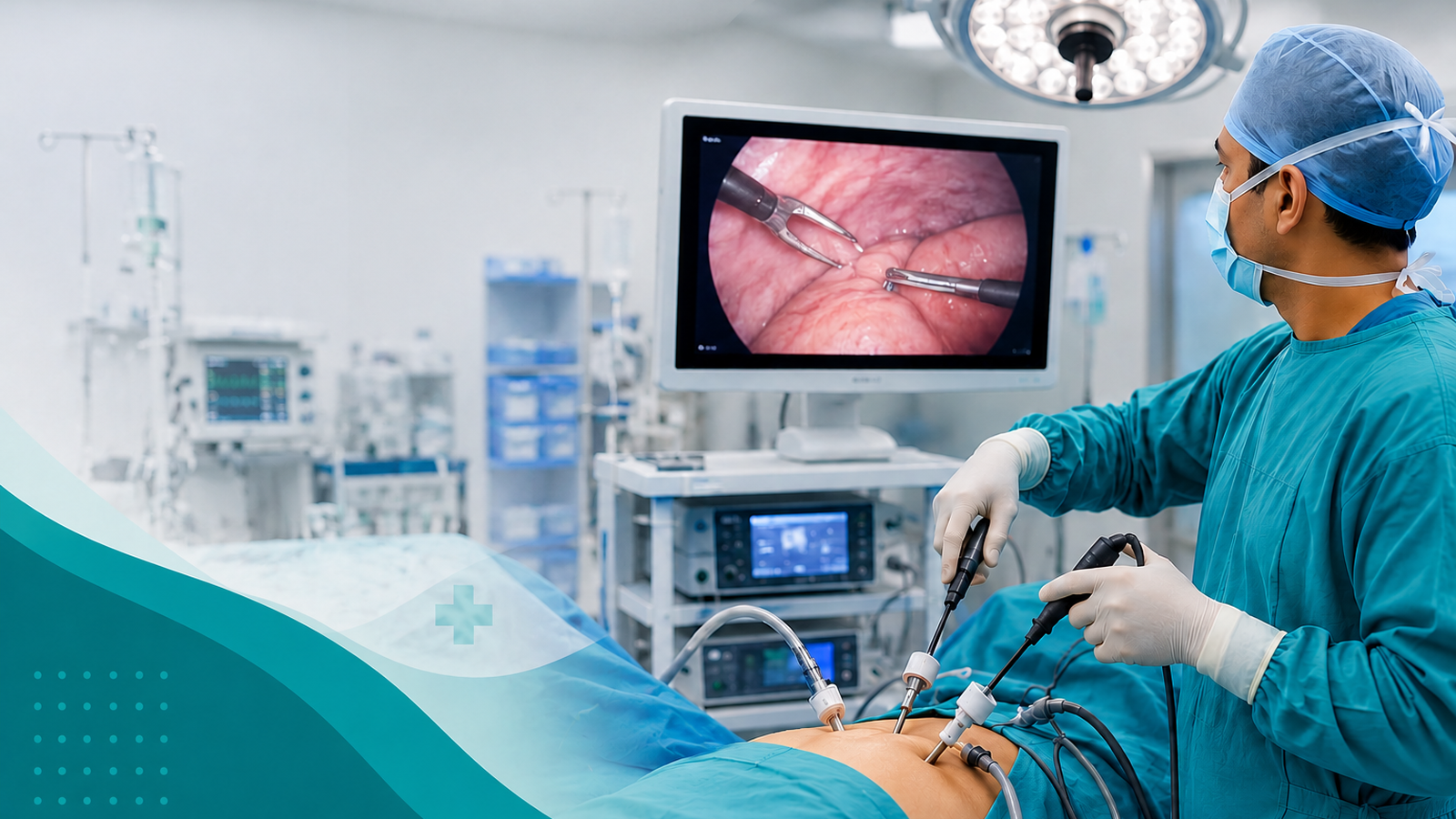
Laparoscopic surgery is an advanced surgical technique performed through several small incisions instead of one large incision. During the procedure, a surgeon inserts a thin instrument called a laparoscope, which contains a high-definition camera and light. The camera projects magnified images onto a monitor, allowing the surgeon to perform precise surgery using specialized instruments inserted through additional small incisions. This minimally invasive approach has transformed the treatment of many abdominal and digestive conditions by reducing tissue damage while maintaining surgical precision.
At Steth & Scalpel, experienced surgeons use modern laparoscopic techniques to diagnose and treat a wide range of gastrointestinal conditions. Whether you need treatment for gallstones, hernias, GERD or other digestive diseases, choosing an experienced laparoscopic surgeon in Khammam can improve both surgical outcomes and recovery.
Why Is Laparoscopic Surgery Preferred?
Over the past few decades, laparoscopic surgery has become the preferred approach for many gastrointestinal procedures because it offers significant advantages over traditional open surgery. Instead of making a large incision, surgeons operate through several small openings, resulting in less trauma to muscles and surrounding tissues.
Patients often experience:
- Smaller surgical incisions
- Less post-operative pain
- Reduced blood loss
- Lower risk of wound infections
- Shorter hospital stays
- Faster return to normal activities
- Better cosmetic results with minimal scarring
These advantages make laparoscopic surgery the standard treatment for many digestive conditions when clinically appropriate.
How Does Laparoscopic Surgery Work?
Although the incisions are small, laparoscopic surgery allows surgeons to perform complex procedures with remarkable precision.
The procedure generally follows these steps:
- The patient receives general anesthesia.
- The surgeon creates 3-4 small incisions in the abdomen.
- Carbon dioxide gas is introduced to gently expand the abdomen, creating space for the operation.
- A laparoscope with a high-definition camera is inserted.
- Specialized surgical instruments are introduced through the remaining incisions.
- The surgeon performs the operation while viewing magnified images on a monitor.
- After completing the procedure, the instruments are removed, the gas is released and the small incisions are closed.
Conditions Commonly Treated with Laparoscopic Surgery
An experienced gastro surgeon in Khammam may recommend laparoscopic surgery for several digestive disorders, including:
- Gallstones and gallbladder disease
- Hernias
- GERD (Acid Reflux)
- Appendicitis
- Colon disorders
- Small intestine conditions
- Certain liver and pancreatic conditions
- Gastrointestinal tumors (in selected patients)
Your surgeon will recommend the most appropriate surgical approach based on your medical history, diagnosis and overall health.
Laparoscopic Surgery vs Open Surgery
| Feature | Laparoscopic Surgery | Open Surgery |
|---|---|---|
| Incision Size | Small (0.5–1 cm) | Large incision |
| Pain | Less | More |
| Blood Loss | Minimal | Higher |
| Hospital Stay | Usually shorter | Usually longer |
| Recovery Time | Faster | Longer |
| Infection Risk | Lower | Higher |
| Scarring | Minimal | More noticeable |
For many abdominal procedures, laparoscopic surgery provides faster recovery and less postoperative discomfort than traditional open surgery, although open surgery may still be necessary for some complex cases.
Benefits of Laparoscopic Surgery
One of the biggest reasons patients choose minimally invasive surgery is the quicker recovery without compromising treatment quality.
Some of the most important benefits include:
Less Pain
Smaller incisions result in less tissue damage, reducing pain after surgery and decreasing the need for strong pain medication.
Faster Recovery
Many patients resume normal daily activities much sooner than after open surgery, depending on the type of procedure performed.
Lower Risk of Infection
Because the surgical wounds are much smaller, the chance of wound infection is generally lower than with traditional surgery.
Smaller Scars
Tiny incisions leave minimal visible scarring, providing better cosmetic outcomes.
Shorter Hospital Stay
Many laparoscopic procedures allow patients to return home the same day or after one or two days, depending on the surgery and individual recovery.
Understanding the Risks of Laparoscopic Surgery
Although laparoscopic surgery is considered a safe and well-established procedure, every surgery carries some degree of risk. Fortunately, serious complications are uncommon, especially when the procedure is performed by an experienced gastro surgeon in Khammam using modern surgical techniques.
Possible risks include:
- Bleeding
- Infection
- Reaction to anesthesia
- Injury to nearby organs or blood vessels
- Blood clots (rare)
- Hernia at the incision site
- In some cases, conversion to open surgery if required for patient safety
It's important to remember that these complications are uncommon and your surgeon will discuss the risks and benefits based on your specific condition before recommending surgery. The minimally invasive nature of laparoscopic surgery generally reduces postoperative pain, wound complications and recovery time compared with traditional open surgery.
How Steth & Scalpel Prioritizes Patient Safety
At Steth & Scalpel, patient safety is central to every stage of treatment. The surgical team follows evidence-based practices to help reduce complications and support a smoother recovery.
Our approach includes:
- Comprehensive pre-operative evaluation
- Advanced diagnostic investigations
- Personalized surgical planning
- Modern minimally invasive equipment
- Strict infection-control protocols
- Continuous monitoring during surgery
- Structured post-operative follow-up
Choosing an experienced laparoscopic surgery hospital in Khammam helps ensure that every procedure is performed with precision, safety and individualized care.
Recovery After Laparoscopic Surgery
Recovery varies depending on the procedure performed and your overall health. However, most patients recover significantly faster than after traditional open surgery.
First 24-48 Hours
During the first two days, you may experience:
- Mild abdominal discomfort
- Shoulder pain caused by the carbon dioxide gas used during surgery
- Fatigue
- Mild bloating
Most patients are encouraged to start walking within a few hours to improve circulation and reduce the risk of blood clots.
First Week
During the first week:
- Pain gradually improves.
- Eat light, easily digestible meals.
- Drink plenty of fluids.
- Keep the incision sites clean and dry.
- Avoid lifting heavy objects.
- Attend your scheduled follow-up appointment.
Many patients can perform light household activities within a few days.
Weeks 2-4
Most patients notice a significant improvement during this period.
You may be able to:
- Return to office work
- Walk longer distances
- Resume normal daily activities
- Reduce pain medication
Avoid strenuous exercise until your surgeon confirms it is safe.
Full Recovery
Complete recovery depends on the type of surgery.
For many laparoscopic procedures:
- Minor procedures: approximately 1–3 weeks
- More complex procedures: approximately 4–8 weeks
Always follow your surgeon's individualized recovery instructions.
Who Is a Good Candidate for Laparoscopic Surgery?
Laparoscopic surgery may be recommended for patients with conditions such as:
- Gallstones
- Hernias
- GERD (Acid Reflux)
- Appendicitis
- Colon disorders
- Certain liver diseases
- Gastrointestinal tumors
- Digestive disorders requiring surgical treatment
Not every patient is a suitable candidate. Your surgeon will determine the safest approach after reviewing your medical history, imaging studies and overall health.
When Should You Consult a Laparoscopic Surgeon?
Schedule a consultation if you experience:
- Persistent abdominal pain
- Frequent acid reflux
- Gallstone attacks
- Hernia symptoms
- Recurrent vomiting
- Difficulty swallowing
- Blood in stools
- Unexplained weight loss
- Chronic digestive problems
Early evaluation often leads to earlier diagnosis and more effective treatment.
Why Choose Steth & Scalpel for Laparoscopic Surgery in Khammam?
Choosing the right surgeon is one of the most important decisions before undergoing surgery.
Patients choose Steth & Scalpel because of its commitment to advanced gastrointestinal care and minimally invasive surgical expertise.
What Sets Us Apart?
- Experienced laparoscopic surgeons
- Advanced minimally invasive technology
- Personalized treatment plans
- Comprehensive digestive disease care
- Modern diagnostic facilities
- Compassionate patient-centered care
- Complete pre-operative and post-operative support
If you are looking for laparoscopic surgical care in Khammam, our team focuses on delivering safe, effective and evidence-based treatment.
Frequently Asked Questions
1. Is laparoscopic surgery painful?
Most patients experience significantly less pain than with open surgery. Mild soreness and temporary shoulder pain are common but usually improve within a few days.
2. How long does recovery take?
Recovery depends on the procedure. Many patients return to normal activities within a few weeks, while more complex surgeries may require up to 6–8 weeks for full recovery.
3. Will I have visible scars?
The incisions are very small, so scars are generally minimal and become less noticeable over time.
4. Is laparoscopic surgery safer than open surgery?
For many suitable patients, laparoscopic surgery offers lower infection risk, less pain and faster recovery. However, the most appropriate approach depends on your medical condition.
5. Can elderly patients undergo laparoscopic surgery?
Yes. Many older adults are eligible, provided they undergo appropriate pre-operative assessment and are medically fit for surgery.
6. When can I return to work?
Many patients with desk-based jobs return within 1–3 weeks, depending on the procedure and their recovery. Physically demanding jobs may require a longer recovery period.
7. What foods should I eat after surgery?
Start with light, easily digestible foods, stay hydrated and gradually resume your normal diet as advised by your surgeon.
8. When should I contact my surgeon after surgery?
Seek medical attention if you develop fever, increasing pain, persistent vomiting, heavy bleeding, redness or discharge from the incision, difficulty breathing or severe abdominal swelling.
Conclusion
Laparoscopic surgery has transformed the treatment of many digestive conditions by offering a minimally invasive alternative to traditional open surgery. Smaller incisions, less pain, shorter hospital stays and quicker recovery make it the preferred option for many patients when clinically appropriate. While every surgery has potential risks, choosing an experienced surgical team and following proper post-operative care can help achieve the best possible outcomes.
At Steth & Scalpel, we are committed to delivering advanced laparoscopic care with compassion, precision and patient safety at the forefront. If you have been advised to undergo surgery or are experiencing persistent digestive symptoms, scheduling a consultation with our experienced team can help you explore the most appropriate treatment options.